


Understanding Tendon Strain in Horses and Recovery Methods
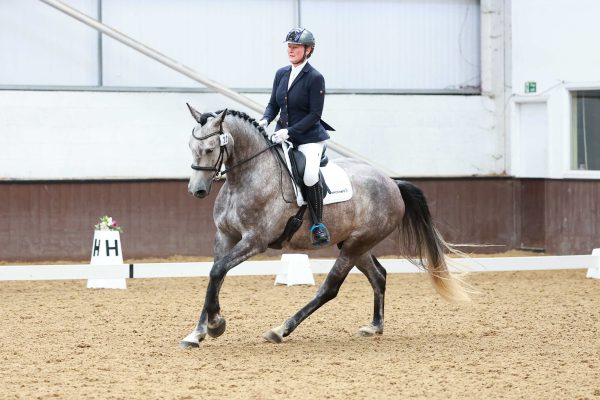
Why cooling horse’s legs matters and how strain and heat effects the tendons
A horse’s lower limbs are remarkable pieces of anatomy. 500kg of horse loads four legs of which there are only bone, tendons and ligaments to support the horse below the knee.
These tendons and ligaments below the knee and hock have to withstand considerable forces during exercise, there is scientific data to show that during high-speed exercise, a horse’s lower leg tendons and ligaments operate at extreme loading strains that push them right to their absolute physiological limits, leaving almost zero safety margin before load failure.
While most biological tissues in mammals are built with a safety factor of 2 or 3 (meaning they can handle two to three times their normal maximum load), a horse’s energy-storing tendons operate with a safety factor close to 1.
Strain Levels vs. Failure Points
To understand how close these structures come to snapping, look at the percentage of stretch (strain) they undergo during different gaits compared to their mechanical breaking points:
| Structure & Gait | Typical Mechanical Strain | Ultimate Failure Point (Breaking Point) |
| Walk | 3.1% – 7.6% strain | Safe zone |
| Trot | 6.5% – 10.1% strain | Entering the “linear” stretch zone |
| Canter / Gallop | 11.5% – 16.6% strain | Critical zone (Fibers begin micro-tearing) |
| Max Mechanical Capacity | — | 11% to 20%+ strain (Complete structural failure) |
At a fast gallop or when landing a jump, the Superficial Digital Flexor Tendon (SDFT) can stretch up to 16%. Because total mechanical failure occurs at roughly 20% elongation, the horse is using up to 80% or more of the tendon’s maximum physical capacity just during normal peak athletic performance.
Why the Safety Margin is Dangerously Slim
- The Elastic Trade-Off: The lower leg works like a giant pogo stick. To store and return enough energy to propel a 500kg animal at high speeds, the tendons must be highly elastic and stretch to their maximum potential. If they were thicker and stiffer, the horse would lose its speed and efficiency. [1, 2]
- Accumulated Micro-Damage: Because the horse exercises so close to the failure line, repeated high-strain loading of the equine tendon produces mechanical fatigue and microscopic tissue damage at the cellular and extracellular-matrix level. When the rate of damage exceeds the tissue’s capacity for repair and adaptation, cumulative degeneration can contribute to tendinopathy.
- The “Cooking” Effect (Hyperthermia): As these tendons stretch and recoil, they lose about 5% of their energy as heat. Because there is no muscle tissue or major blood flow below the knee to dissipate this heat, core tendon temperatures can skyrocket to 45°C (113°F) during exercise. This intense heat has been found in vivo to cause degeneration of the tendon cells as well as the collagen matrix, lowering the failure threshold even further.
- Muscle Fatigue Catalyst: The upper leg muscles act as active dampers to absorb shock. When a horse gets tired and those muscles fatigue, they stop absorbing impact. The entire, unmitigated load shifts directly onto the passive tendons and ligaments below the knee, this may push them past the point of load failure.
Why cooling horse’s legs after exercise is important:
As described, during exercise, particularly high-speed work and jumping, the tendons and ligaments of the horse’s lower limbs are subjected to substantial tensile strain as they repeatedly stretch and recoil under load. This mechanical loading is a normal part of athletic function but can produce microscopic disruption and microdamage within the collagen fibres.
Repeated loading also generates heat within the tendon tissue. Tendons have relatively limited vascularity compared with muscle, so heat generated during repeated deformation can dissipate relatively slowly. Consequently, tendon temperature can rise significantly during intense exercise.
Cooling the lower limbs with compression ice boots such as Cryochaps after exercise, reduces tissue temperature and helps return the tendons towards their normal physiological temperature. This is important because excessive tissue temperature can increase cellular stress and may contribute to degradation of tendon cells and the collagen matrix.
The mechanical microdamage produced during exercise also initiates a local inflammatory and repair response. Cooling can help moderate this acute inflammatory response, reducing the physiological effects associated with exercise-induced tissue inflammation and swelling while the normal repair processes take place.
Therefore, cooling the legs after exercise can be understood as helping to remove accumulated heat and moderate the acute inflammatory response associated with normal exercise-induced microdamage, supporting the recovery of the tendons and ligaments following mechanical strain.
Conclusion
The evidence highlights just how hard the horse’s lower-limb tendons work during exercise. With repeated high-strain stretching and recoil, particularly during faster work, these tissues generate considerable heat and are subjected to mechanical stress that can contribute to normal exercise-related microdamage and an acute inflammatory response.
Cooling horse’s legs after exercise provides a simple and practical way to support recovery. By reducing the temperature of the tissues and helping to moderate the inflammatory response following exercise, leg cooling can help minimise the effects of heat and mechanical stress on the tendons and ligaments.
Given the exceptional loads placed on the equine lower limb, cooling should be considered an important part of post-exercise care—particularly after fast work, jumping or strenuous exercise. Taking a few minutes to cool the legs is a simple proactive measure that can help the horse’s lower-limb tissues recover from the demands placed upon them and support their long-term health and function.